
Since 2013
About Tideline
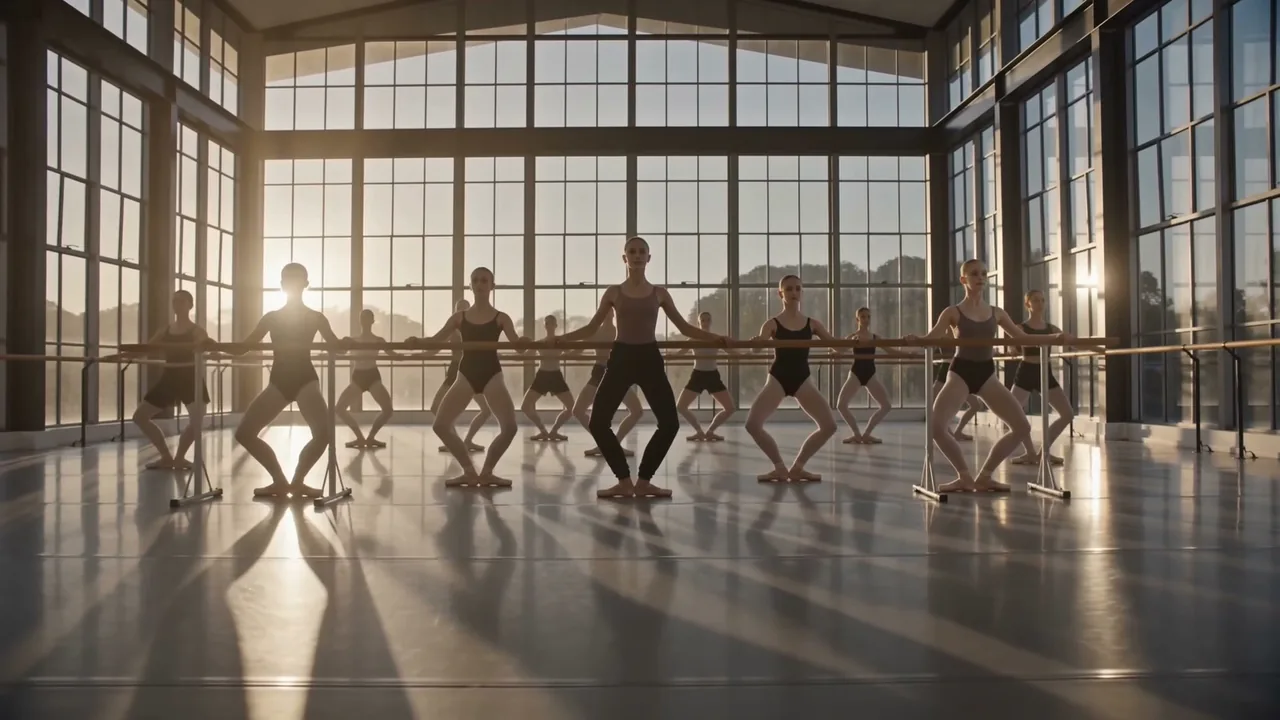
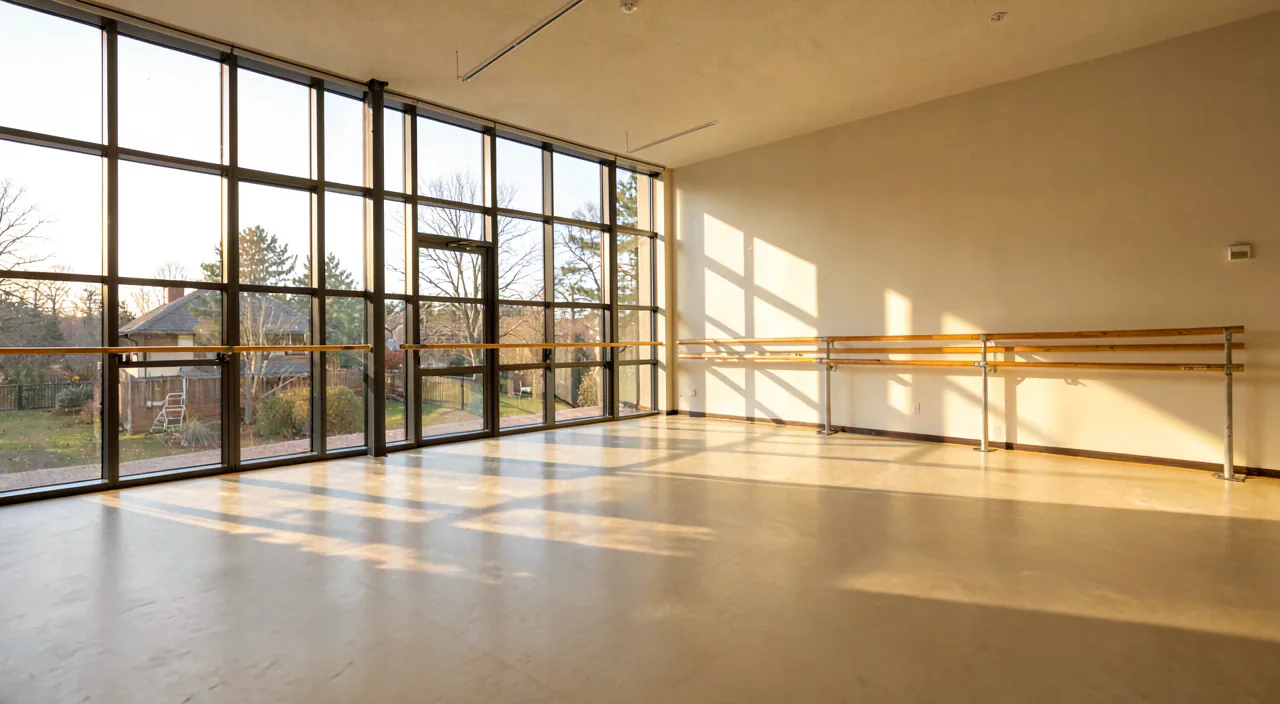
Tideline teaches technique first, barre before trick, in a light-filled former industrial shed three streets back from the Nightcliff foreshore, then gives every dancer, from tiny tots to the senior exam stream, a real stage each November.
We opened Tideline in the middle of 2013, in a bare steel-framed shed three streets back from the Nightcliff foreshore, because Marina had spent four years driving dancers across town to borrow rehearsal space in church halls with carpet underfoot and no barre bolted to the wall. She had trained in classical ballet through her teens, danced with a small touring contemporary company on the east coast through her twenties, and stopped performing at twenty-eight after a knee reconstruction that never quite came all the way back. Teaching was the part of the job she had always liked best anyway.
Darwin brought her north when her partner was posted to the Top End, and within a year of casual teaching at two different studios she had a list of things she would do differently if the room were hers: a sprung floor instead of concrete under lino, real cross-ventilation for the build-up months when nobody wants to be inside a sealed box, and technique taught properly at the barre before anyone is allowed to chase a trick. Nightcliff had the shed, the light and families who wanted somewhere their kids could walk to after school. We fitted the barre ourselves, from recycled hardwood a builder mate had pulled out of an old school gym, and opened with nineteen students across two classes.
Daniel joined the following year. He had trained in jazz and contemporary through Brisbane and Sydney and was teaching a single Saturday class at another Darwin studio when Marina asked him to take on our jazz and contemporary stream properly, on the condition that he stopped underselling himself. He has run those classes and co-directed the school with her ever since.
Thirteen years on we still run one program end to end: barre technique first, then style, then a real stage. Every dancer, from the Wednesday morning tiny tots class to the Saturday exam stream, performs in the same November season at the end of the year, on a proper lit stage, not just a showing in the studio. We built the exam stream around an RAD-aligned syllabus for families who want it, and kept a no-exam recreational stream running alongside it for families who do not, because both are dancing properly and neither should feel like the lesser option.
Darwin's wet season still shapes the calendar more than most southern studios would expect. We start term four evening classes half an hour earlier so families are home before the afternoon storms roll in, and our Saturday extension classes move onto the studio's covered deck through the dry season, when the light and the air are worth being outside for.
What we hold to
Three things that do not change term to term
- Correct technique before choreography
- A place for every age and ability, not just the exam stream
- Honest feedback delivered kindly
Two streams, equally valid
The exam stream is optional. The technique is not.
Every ballet class works the same barre-first technique, whether or not a dancer ever sits an exam. The RAD-aligned graded and vocational syllabus gives families who want an external benchmark one, run alongside the regular ballet grades, never instead of them. A teacher recommends the exam stream once a dancer's technique and consistency are ready for it, never by age or by request alone, and most of our dancers never sit one at all.
Both streams rehearse toward the same November season, on the same stage, in front of the same audience. Neither is treated as the lesser option, because neither is: a recreational dancer performing confidently is exactly what thirteen years of barre-first teaching is for.
Built for the Top End
Wet season and dry season both shape the calendar
Wet season
Term four evening classes start half an hour earlier so families are home before the afternoon storms, and the studio's air conditioning is sized for a full class through the build-up.
Dry season
Extension and rehearsal classes move onto the studio's covered deck through the dry season months, when the air is worth being outside for.
Credentials
What every teacher holds
- Ochre Card (NT Working with Children Clearance) held by every teacher
- Dance teachers hold a Certificate IV in Dance (Teaching and Management) or equivalent full-time vocational training
- RAD-aligned graded and vocational exam syllabus for the optional exam stream
- Public liability insurance covering all enrolled students and the studio premises
- First aid and CPR certified staff rostered across every class time